
A new UN report recommends that states protect a woman’s right to a companion of her choice during childbirth, while the House of Peoples of the Federation of Bosnia and Herzegovina has not even allowed a debate on the Draft Law for months.
The Baby Steps Association welcomes the publication of the report of the UN Special Rapporteur on violence against women and girls on violence against mothers, presented at the 62nd session of the United Nations Human Rights Council.
Baby Steps was among the organizations that, after submitting an official submission, were invited to participate in expert consultations organized as part of the report’s development. The experiences of women from Bosnia and Herzegovina, including obstetric violence, isolation of women during childbirth, and denial of companionship of their choice, were part of the international process that resulted in this report.
The final document recognizes numerous problems that Baby Steps has been warning about for years, including obstetric violence, denial of informed consent, corruption in maternity wards, isolation of women during childbirth, and denial of the presence of a person of their choice during childbirth. The report states that women during childbirth can be exposed to various forms of violence and abuse, including the denial of the presence of a person of their choice, and calls on states to protect a woman’s right to a companion of their choice during childbirth, ensure respect for informed consent, and establish effective accountability mechanisms for obstetric violence.
These recommendations represent a significant international confirmation of what Baby Steps has been warning about for years – that companionship during childbirth is not a matter of convenience or hospital organization, but an important mechanism for protecting women from violence, abuse of power, and institutional isolation during one of the most vulnerable moments of their lives.
Of particular concern is the fact that the publication of this report coincides with the continuation of the institutional blockade in the Federation of Bosnia and Herzegovina. While the United Nations calls on states to protect women during childbirth and ensure the right to a companion of their choice, the House of Peoples of the FBiH Parliament has refused for months to consider a draft law that would open a public debate on this issue.
After the House of Representatives of the FBiH Parliament adopted the draft law, the House of Peoples has already failed to act on it three times. The deadlines prescribed by the Rules of Procedure of the House of Peoples have long been exceeded, the item is persistently not put on the agenda, and the public, proposers, and citizens are not given any explanation for such action.
This is no longer a matter of procedural delay, but of a de facto blockade of the legislative procedure. Of particular concern is the fact that there is no accountability for such action, although it is a matter of ignoring one's own Rules of Procedure and denying delegates the opportunity to express their views on the issue at all.
It is important to emphasize that this is not about adopting a law, but about a Draft Law and opening a public debate. Therefore, it is not about blocking a final legal solution, but the right of the public, experts, health workers, and women themselves to participate in the discussion on the issue that the United Nations today recognizes as an issue of protecting women from violence.
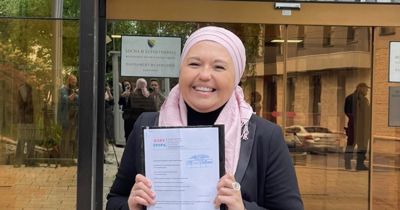
The Baby Steps Association has therefore today sent a new request to the Collegium of the House of Peoples, the Legislative and Legal Committee, and the Committee for Constitutional Affairs, requesting a statement on the application of the Rules of Procedure of the House of Peoples and the continuation of the proceedings under the Draft Law.
The question is no longer whether the draft law will be adopted, but whether the House of People's will even allow it to be debated.