So far, there have been several civic initiatives in Brčko that were duly submitted to the District Assembly, but due to the lack of legal regulation in this area, they have never reached the agenda.
The absence of a Law on Civic Initiatives is not merely a matter of legal gap, but a symptom of a broader democratic deficit in which citizens remain outside key decision-making processes. The adoption of such a law would create space for systemic, legally regulated participation and lay the foundation for building a political culture in which citizens are not just observers, but active drivers of change. Citizens of Brčko have shown that they want to participate in decision-making, but the system does not recognize them as equal partners of the authorities. Legal regulation of civic initiatives would give their proposals formal weight, ensuring they no longer rely solely on the goodwill of politicians. If Brčko wants to be a truly democratic community, it must recognize the importance of participatory democracy and enact a law that gives citizens the right to directly influence decisions shaping their city and future.
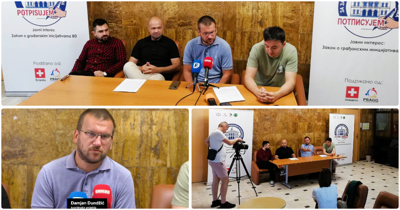
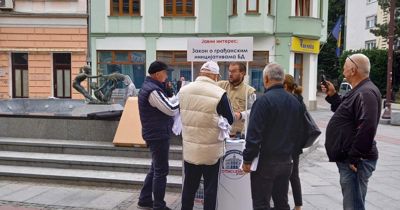
Representatives of the civil sector, as part of a campaign launched with the support of PRAGG, submitted an initiative to the Mayor of Brčko District, requesting that the Government include the obligation to adopt the Law on Civic Initiatives in its 2025 work program.
Many civil society organizations advocate for transparency and accountability of authorities, and citizens themselves want a greater role in shaping public policies, which is also supported by international organizations that have long supported reforms in Brčko District, such as the OHR, OSCE Mission, EU Delegation, and others. There are also those who hinder the adoption of this law, namely certain political actors who oppose opening decision-making processes to citizens, often out of fear of losing control and potential questioning of their accountability.
So far, several civic initiatives in Brčko have been duly submitted to the District Assembly, but due to the lack of legal regulation in this area, they have never reached the agenda.
"An example is the initiative against the lithium mine in Majevica, which was submitted in March this year to both the Assembly and all parliamentary clubs. However, to this day, it has not seen the light of day. No one has responded or provided an answer, even though this is one of the most pressing and possibly the most important environmental issues for the citizens of Brčko District, despite the fact that the mine is located in the neighboring municipality of Lopare. Despite the support of over 1,700 citizens and members of the civic initiative 'Stop the Lithium Mine Brčko,' the institutions have not even given the most basic response. This law would prevent such silence and ensure that the voice of citizens is always heard. At the very least, we deserve this after giving our vote to those who are supposed to represent us and our interests. The law would obligate the Assembly to consider every civic initiative with citizen support. This means that topics of the highest importance to the city and its citizens cannot be ignored but must go through the institutional process, receive debate, and obtain an official position. This strengthens transparency, accountability, and the feeling that the civic voice can effect change. The Law on Civic Initiatives would allow important issues for the city’s development and safety to reach the decision-making institutions more quickly and effectively. Instead of initiatives remaining unanswered, as has been the case so far, we would have a clear mechanism obligating our institutions to respond accordingly, which is the foundation for establishing a normal and functional society," said civic activist Miodrag Marković.
Civic activists are trying to exert influence on the authorities in this context — in recent days, UG Demos held meetings with representatives of the HDZ and SDA parliamentary clubs in the District Assembly, which they assessed as constructive — and express hope that by the end of the year, a working group under the Brčko District Government will be formed to work on drafting and initiating the Law on Civic Initiatives, thus finally enabling more active citizen participation in decision-making processes.