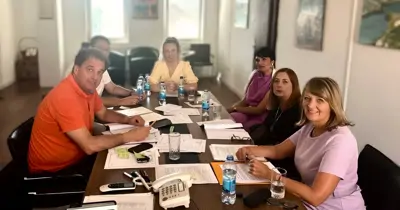
A Local Action Plan for the Prevention of Cancers of the Female Reproductive Organs for the period 2026–2030 has been adopted in Gacko, following an initiative by the women’s association „Riječ“, which, with support from the PRAGG project, advocated improved access to preventive screenings and healthcare services for women.
The decision was adopted unanimously today by the Gacko Municipal Assembly The plan sets out measures to improve the work of the local health centre, increase access to diagnostic services and educate women about disease prevention and early detection.
For the „Riječ“ women’s association, the adoption of the document marks the end of a months-long advocacy process, but also the beginning of efforts to ensure that the proposed measures are implemented.
“PRAGG’s support was of great help to us. Without PRAGG’s support, the local action plan would not have been drawn up, and we would not have been able to achieve what we have,” says Anđelka Boljanović of the association.
Bringing healthcare services closer to women
According to data collected by the association, 36 women in Gacko were diagnosed with cancers of the female reproductive organs between 2021 and 2025.
One of the problems highlighted during its „Budi korak ispred“ (“Stay One Step Ahead”) advocacy campaign was access to screenings. Women had to travel to other towns to receive certain diagnostic services.
“The action plan provides for improvements to the equipment at Gacko Health Centre for gynaecological and radiological examinations, as well as mammography. The proposed measures include employing a full-time gynaecologist, sending one doctor for specialist training in gynaecology and ensuring that a radiologist visits once a month. The plan also provides for mammograms for at least 50 women a year. This will ensure that women in Gacko receive all the support they need,” says Boljanović.
From conversations about health to preventive screenings
The „Budi korak ispred“ campaign, carried out by the association with support from the PRAGG project, aimed to encourage public discussion about the prevention of cancers of the female reproductive organs and to encourage women to attend regular preventive screenings.
Boljanović says women supported the development of the plan during discussions, with some telling the association that such an initiative should have been launched earlier.
“Previously, this issue was discussed mainly within families, but during the campaign people began talking about it publicly much more often,” she says.
She cites the fact that women began attending preventive screenings following the educational activities, including members of the association itself, as one of the campaign’s significant results.
In addition to working with women in urban and rural areas, the action plan provides for twelve educational activities a year, as well as education for primary and secondary school pupils about HPV vaccination.
The aim is to make information about prevention available to as many people as possible, particularly young people, so that the importance of protecting their health is understood before health problems arise.
The role of civic initiatives
During the development of the plan, the „Riječ“ women’s association worked with representatives of the local authorities, Gacko Health Centre and the Centre for Social Work. Meetings were held with the municipal mayor, the president of the Municipal Assembly and councillors, and the initiative received support from representatives of different political groups.
The adoption of the action plan demonstrates how an initiative by a civil society organisation, supported by cooperation with institutions, can lead to a concrete document that addresses the needs of the local community.
For women in Gacko, the next step will be to put the planned measures into practice. From improved access to screenings to regular educational activities, their impact will be measured by whether women can access healthcare services more easily and have greater opportunities to detect disease at an early stage.